🔍 단어 개요: Sinner
- 단어: Sinner
- 발음: /ˈsɪnər/
- 복수형: sinners
- 기본 의미: “죄를 지은 사람”, “도덕적・종교적 규범을 어긴 자”
📜 1. 어원과 언어적 기원
- Sinner는 영어 단어 sin (죄) + -er (행위자를 나타내는 접미사)로 이루어져 있습니다.
- Sin은 고대 영어 synn에서 유래하며, 이는 게르만어계 sun(d)jo 또는 라틴어 sons (유죄의 guilty)와도 관련이 있습니다.
- 즉, ‘죄를 범하는 사람’이라는 뜻이 오랜 역사적, 언어적 맥락 속에서 발전해왔습니다.
✝️ 2. 종교적 의미 – 기독교 중심 해석
▶︎ 신학적 정의
기독교에서는 **sinner(죄인)**이라는 개념이 매우 중요합니다. 인간은 모두 **원죄(original sin)**를 가지고 태어난 존재로, 구원받지 않으면 죄 가운데 머물 수밖에 없다는 것이 핵심 교리입니다.
📖 성경 속의 "Sinners"
- 로마서 3:23:모든 인간은 본질적으로 죄인(sinner)이며, 하나님의 은혜 없이는 구원에 이를 수 없습니다.
- "모든 사람이 죄를 범하였으매 하나님의 영광에 이르지 못하더니"
- 예수의 사역과 죄인들:
예수 그리스도는 스스로 **‘죄인을 부르러 왔다’**고 말하며, 당대 사회에서 소외된 사람들(세리, 창녀 등)을 가까이했습니다. - "나는 의인을 부르러 온 것이 아니요 죄인을 부르러 왔노라." (마가복음 2:17)
이러한 구절은 sinner라는 개념이 단순한 도덕적 평가가 아닌, 하나님의 자비와 구원의 대상임을 강조합니다.
📚 3. 문학과 철학에서의 죄인
📘 고전 문학 속의 죄인
- 단테의 신곡 (Dante’s Divine Comedy):
단테는 지옥(Inferno)에서 다양한 죄인들을 묘사하며, 죄의 종류에 따라 지옥의 층을 나눕니다. 여기서 sinners는 단순한 범죄자가 아니라 도덕적으로 타락한 인간의 초상입니다. - 밀턴의 실낙원 (Paradise Lost):
아담과 하와가 하나님의 명령을 어기고 선악과를 먹은 이후, 인간은 죄를 짓는 존재로 전락합니다. 이 역시 sinners의 탄생 신화를 보여주는 문학적 상징입니다.
🧠 철학적 접근
- Sinner는 철학자들에게 있어 인간의 자유 의지와 윤리의식의 딜레마를 탐구하게 하는 개념입니다.
- 인간은 선과 악을 구별할 수 있는 이성을 가졌지만, 동시에 죄를 범하는 연약함도 지닌 존재입니다.
🌍 4. 현대적 의미와 문화 속 사용
오늘날 ‘sinner’는 종교적 맥락 외에도 다음과 같이 확장된 의미로 쓰이고 있습니다.
✅ ① 상징적 또는 메타포(은유)적 사용
- “We’re all sinners.”
→ 인간은 완벽하지 않으며, 누구나 실수하고 잘못을 저지른다는 뜻에서 사용됩니다.
✅ ② 음악, 영화, 문학에서의 사용
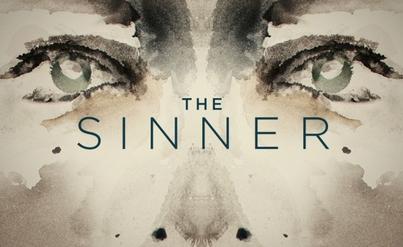
- TV 드라마 《The Sinner》: 인간 내면의 죄책감과 트라우마를 파헤치는 심리 스릴러
- 노래 제목/가사에서 sinner는 자주 등장하며, 자신이 저지른 일에 대한 후회나 자책, 혹은 사회적 낙인을 표현하기도 합니다.
- 예:
🎵 "Sinners like me" – Eric Church
🎵 "Only the good die young" – Billy Joel (종교적 죄의식 비틀기)
✅ ③ 비판적 혹은 풍자적 사용
- 일부 작가나 사상가들은 ‘죄인’이라는 개념이 권위자들이 대중을 통제하기 위한 도구로 사용된다고 비판하기도 합니다.
- 예: 죄인이라 낙인찍는 종교적 권력 → 내면화된 수치심
💡 5. "Sinner"라는 단어가 주는 함의
- Sinner는 단순히 “잘못을 한 사람”을 넘어서,
- 인간의 불완전함,
- 구원의 필요성,
- 도덕적 성장,
- 그리고 자기 반성과 회복의 상징이기도 합니다.
현대 사회에서는 도덕적・정신적 의미로 **‘나는 죄인이다’**라고 고백하는 것이 때로는 자기성찰의 출발점이 되기도 합니다.
✝️ Who Are the Sinners?
A Deep Dive into Sin, Humanity, and Redemption
“Let he who is without sin cast the first stone.”
— John 8:7
The word “sinner” carries centuries of weight — a label both feared and familiar, moral and spiritual, personal and universal. While in modern times it might be used casually or metaphorically, its roots lie deep in religion, especially Christian theology, and its meaning has evolved across literature, philosophy, and culture.
In this post, we’ll explore who the “sinners” are, what the term has historically signified, and how it still shapes our understanding of morality, failure, and redemption.
🔍 What Does “Sinner” Mean?
- Word: Sinner
- Plural: Sinners
- Definition: A person who commits sin — that is, a moral, ethical, or spiritual offense, often defined in religious or social terms.
It stems from the word sin, which traces back to Old English "synn", meaning offense or guilt. Add the suffix -er, and you get “the one who sins.”
So fundamentally, a sinner is someone who has done wrong — but in religious and literary traditions, the meaning goes much deeper.
✝️ 1. Religious Context – Especially in Christianity
In Christian doctrine, every human being is considered a sinner by default.
🧬 Original Sin
According to the Bible, sin entered the world when Adam and Eve disobeyed God by eating the forbidden fruit (Genesis 3). This “original sin” is believed to have been passed down to all of humanity.
"For all have sinned and fall short of the glory of God."
— Romans 3:23
From this perspective, no one is righteous — not by their own merit. Redemption and salvation, therefore, are not earned through deeds, but through God’s grace, especially as offered through Jesus Christ.
👣 Jesus and Sinners
One of the most striking aspects of Jesus’s ministry is how often He associated with sinners — tax collectors, prostitutes, and outcasts.
"I have not come to call the righteous, but sinners to repentance."
— Luke 5:32
Rather than shunning sinners, Jesus welcomed them, showing that forgiveness and transformation are at the heart of Christian theology.
📖 2. Literary & Philosophical Views of Sinners
📘 Literature
In literature, sinners are not just moral failures — they are often profoundly human characters, torn between desire and conscience.
- Dante’s Inferno (14th century):
Dante guides us through the nine circles of hell, where sinners are punished according to the gravity of their sins — from lust to treachery. - Milton’s Paradise Lost:
A poetic retelling of the Fall of Man, portraying Satan, Adam, and Eve as tragic sinners in a cosmic battle between free will and obedience.
Sinners in literature often serve as mirrors to the reader, asking: What would you do in their place?
🧠 Philosophy
Philosophers have long debated the nature of sin and moral wrongdoing. In many traditions, to be a sinner is to be fallible, tempted, or even existentially flawed.
Some key ideas include:
- Moral relativism: What counts as a “sin” may differ across cultures and eras.
- Human limitation: To err is human — is sin inevitable in the pursuit of freedom?
🌍 3. Modern Uses of the Term "Sinner"
While “sinner” once had primarily religious implications, today it’s often used figuratively or artistically.
🧠 Personal Reflection
- “We’re all sinners” is a phrase often used to express shared imperfection, humility, or a refusal to judge others.
- It suggests that nobody is morally perfect, and thus no one has the right to condemn.
🎵 Pop Culture & Media
- TV Series: The Sinner (2017–):
A psychological crime drama exploring why people commit sins, not just what they do. It focuses on trauma, guilt, and the blurry lines between victim and perpetrator. - Music:
Many artists have used sinner in lyrics to express rebellion, regret, or searching for salvation.- “Sinners Like Me” – Eric Church
- “Only the Good Die Young” – Billy Joel (challenges traditional morality)
- Examples:
💬 Cultural Commentary
The term sinner can also be used critically, especially to discuss shame, repression, and control. Some argue that labeling people as sinners has been historically used to enforce power structures, especially by religious or authoritarian systems.
🔥 4. Theological vs. Secular Sinners
| Offends divine law (sin) | Violates moral or ethical norm |
| Needs salvation through faith | Needs correction, therapy, or growth |
| Universally fallen (original sin) | Imperfect but redeemable |
| Judged by God | Judged by society or self |
| Redeemed by grace | Redeemed by action or self-awareness |
This comparison shows how sinner has transitioned from a strictly religious idea into a universal metaphor for human imperfection.
✨ Final Thoughts: We Are All Sinners
To call someone a sinner isn’t always condemnation — it can be an invitation to understanding, a recognition of shared flaws, and a hope for redemption.
In today’s complex world, embracing the idea that we are all sinners may be less about guilt, and more about:
- Compassion
- Growth
- Forgiveness
- Humanity
"The acknowledgment of sin is the beginning of wisdom."
— Reinhold Niebuhr