노벨상(Nobel Prize)은 알프레드 노벨(Alfred Nobel)의 유언에 따라 설립된 세계적인 권위와 명성을 자랑하는 상입니다. 노벨상은 매년 뛰어난 업적을 이룬 개인이나 단체에게 수여되며, 과학, 문학, 평화 등 다양한 분야에서 인류에 기여한 공로를 인정하는 상으로 유명합니다. 노벨상은 각 분야에서 뛰어난 업적을 이룬 이들에게 상금과 금메달, 그리고 노벨상 증서가 수여됩니다.
1. 알프레드 노벨과 노벨상 설립
알프레드 노벨은 1833년 스웨덴에서 태어난 화학자, 발명가, 사업가였으며, 여러 발명품 중 가장 유명한 것은 다이너마이트입니다. 노벨은 자신의 발명품이 전쟁에 사용될 수 있다는 사실에 큰 충격을 받았고, 이에 대한 죄책감으로 자신의 재산을 상속하여 평화와 과학적 발전을 장려하는 상을 만들기로 결심했습니다.
노벨은 1895년에 스톡홀름에서 작성한 유언에서, 자신의 재산의 대부분을 과학, 문학, 평화 등의 분야에서 뛰어난 업적을 이룬 인물들에게 수여하는 상을 설립할 것을 명시했습니다. 이에 따라 1901년부터 노벨상이 공식적으로 수여되기 시작했습니다.
2. 노벨상의 6개 분야
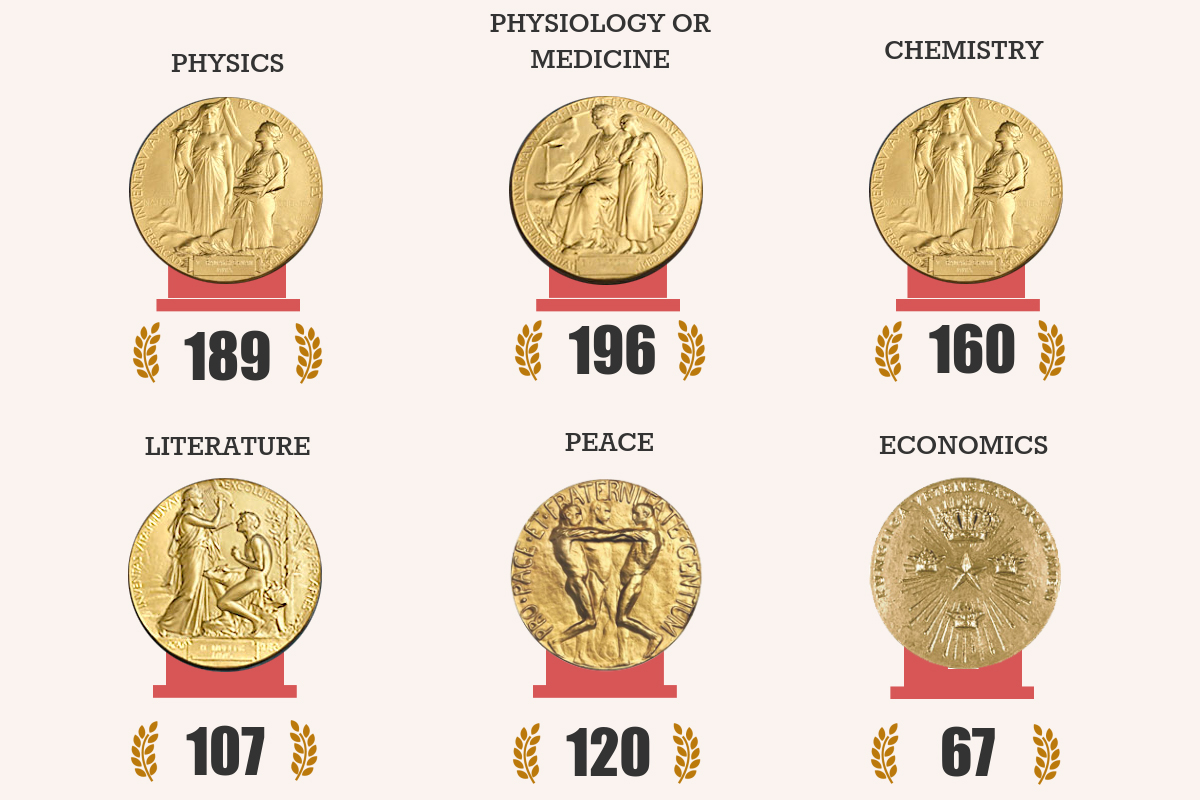
노벨상은 원래 물리학, 화학, 생리학 또는 의학, 문학, 평화 5개 분야에서 수여되었으나, 1968년에 스웨덴 중앙은행(Sveriges Riksbank)의 기부로 경제학 분야가 추가되어 총 6개 분야에서 노벨상이 수여됩니다.
1) 노벨 물리학상
- 물리학상은 물리학 분야에서 중요한 업적을 이룬 사람에게 수여됩니다. 과학적인 발견이나 혁신적인 이론, 실험적 업적을 인정받습니다. 예를 들어, 알베르트 아인슈타인은 상대성 이론에 대한 기여로 1921년에 물리학상을 수여받았습니다.
2) 노벨 화학상
- 화학상은 화학 분야에서 중요한 발견이나 이론을 제시한 사람에게 주어집니다. 마리 퀴리는 라듐과 폴로늄을 발견하여 1911년에 화학상을 받았으며, 이는 여성으로서 최초로 노벨화학상을 수상한 사례였습니다.
3) 노벨 생리학 또는 의학상
- 생리학 또는 의학상은 생리학, 의학 분야에서 중요한 기여를 한 사람에게 수여됩니다. 루이 파스퇴르와 알렉산더 플레밍이 그 예시로, 항생제인 페니실린을 발견하여 의학상의 수상자가 되었습니다.
4) 노벨 문학상
- 문학상은 문학 분야에서 뛰어난 업적을 이룬 작가나 예술가에게 수여됩니다. 어니스트 헤밍웨이, 가브리엘 가르시아 마르케스, 보르헤스 등 세계적인 문학 작가들이 이 상을 수상하였습니다.
5) 노벨 평화상
- 평화상은 인류의 평화 증진, 전쟁 종식 등 평화로운 세계를 이루기 위한 노력에 대한 공로를 인정받은 사람이나 단체에게 수여됩니다. 유명한 수상자로는 마틴 루터 킹 주니어, 넬슨 만델라, 국제 연합(UN), 적십자 등이 있습니다.
6) 노벨 경제학상
- 경제학상은 1968년에 추가된 상으로, 경제학 분야에서 중요한 연구나 이론적 기여를 인정받은 사람에게 수여됩니다. 폴 새뮤얼슨, 로버트 솔로우, 아마르티아 센 등 경제학자들이 이 상을 받았습니다.
3. 노벨상의 선정 및 수여 과정
노벨상의 수상자는 수상 분야에 관련된 전문가들로 이루어진 위원회에서 선정합니다. 각 분야별 위원회는 해당 분야의 권위자들이 맡고 있으며, 수상자는 비공개로 결정되며, 그 해의 12월 10일, 알프레드 노벨의 생일에 수여식이 진행됩니다. 수상자들은 금메달과 상금, 증서를 받으며, 수여식에서는 각 수상자가 수상 연설을 하기도 합니다.
4. 노벨상의 상금
노벨상의 상금은 매년 변동하지만, 상금의 액수는 상당히 크며, 수상자는 이를 통해 연구나 활동을 지속할 수 있는 재정적 지원을 받습니다. 상금은 상금위원회에서 정하는 금액으로, 주로 스웨덴 크로나(SEK)로 지급되며, 수상자들이 받는 금액은 분야별로 나누어지거나 여러 명이 수상한 경우 나누어집니다.
5. 노벨상에 대한 논란과 비판
노벨상은 세계적인 명예와 권위를 가지고 있지만, 때때로 논란과 비판을 받기도 합니다. 대표적인 예로 노벨 평화상의 수여 대상이 적절치 않다는 비판이나, 여성 수상자의 부족, 특정 인물이나 국가가 제외되는 경우 등이 있었습니다. 그러나 전반적으로 노벨상은 인류의 발전과 평화에 대한 기여를 인정하는 중요한 상으로 자리잡고 있습니다.
6. 노벨상 수상자의 영향
노벨상 수상자는 각자의 분야에서 중대한 업적을 이룬 인물들로, 그들의 연구나 작품은 이후 과학, 문학, 정치 등 다양한 분야에서 큰 영향을 미쳤습니다. 예를 들어, 마리 퀴리는 방사능 연구로 과학에 기여했고, 마틴 루터 킹 주니어는 인권운동과 평화 운동을 통해 세상에 큰 변화를 이끌었습니다.
결론
노벨상은 인류의 진보와 발전, 평화를 촉진한 이들을 기리고 그들의 업적을 세계에 알리는 중요한 상입니다. 수여된 이들에게는 명예와 함께 그들의 분야에서 더 많은 발전을 위한 동기가 부여되며, 각 분야에서의 혁신적인 변화들을 이끌어 가는 중요한 역할을 합니다.
The Nobel Prize is a prestigious international award established according to the will of Alfred Nobel. It is awarded annually to individuals or groups who have made outstanding contributions in various fields, including science, literature, and peace, recognizing their impact on humanity. Nobel Prizes include a monetary award, a gold medal, and a Nobel diploma, granted to those who have achieved excellence in their respective fields.
1. Alfred Nobel and the Establishment of the Nobel Prize
Alfred Nobel was a Swedish chemist, inventor, and entrepreneur born in 1833, best known for inventing dynamite. Disturbed by the potential use of his invention in warfare, Nobel decided to leave a significant portion of his fortune to establish a prize that would promote peace and scientific advancement. In his will, written in Stockholm in 1895, Nobel specified that his fortune should fund prizes for outstanding achievements in science, literature, and peace. The Nobel Prizes were first awarded in 1901.
2. The Six Categories of the Nobel Prize
Originally, the Nobel Prizes were awarded in five categories: Physics, Chemistry, Physiology or Medicine, Literature, and Peace. In 1968, the Swedish National Bank (Sveriges Riksbank) funded a prize in Economic Sciences, making it the sixth category.
1) Nobel Prize in Physics
This prize is awarded to individuals who have made significant contributions to the field of physics, including scientific discoveries, innovative theories, and experimental achievements. For example, Albert Einstein received the Nobel Prize in Physics in 1921 for his contributions to the theory of relativity.
2) Nobel Prize in Chemistry
Awarded to those who have made important discoveries or theories in chemistry. Marie Curie received the Nobel Prize in Chemistry in 1911 for discovering radium and polonium, becoming the first woman to win the prize in this category.
3) Nobel Prize in Physiology or Medicine
Given to individuals who have made significant contributions to physiology or medicine. Louis Pasteur and Alexander Fleming, who discovered the antibiotic penicillin, are notable recipients.
4) Nobel Prize in Literature
Awarded to authors or artists who have achieved outstanding accomplishments in literature. Renowned literary figures like Ernest Hemingway, Gabriel García Márquez, and Borges have received this prize.
5) Nobel Peace Prize
Granted to individuals or organizations that have made significant contributions to promoting peace and ending conflicts. Prominent recipients include Martin Luther King Jr., Nelson Mandela, the United Nations (UN), and the Red Cross.
6) Nobel Prize in Economic Sciences
Added in 1968, this prize recognizes significant research or theoretical contributions in economics. Economists like Paul Samuelson, Robert Solow, and Amartya Sen have received this prize.
3. Selection and Awarding Process of the Nobel Prize
Nobel Prize laureates are selected by committees of experts related to each award category. The committees consist of respected authorities in their respective fields. Laureates are chosen in a confidential process, and the prizes are awarded on December 10th, Alfred Nobel's birthday. Winners receive a gold medal, monetary award, and diploma, and they typically deliver an acceptance speech during the ceremony.
4. Nobel Prize Monetary Award
The monetary award varies each year but is substantial, providing financial support for continued research and activities. The award amount is determined by the prize committee, usually given in Swedish kronor (SEK), and divided if multiple recipients share a prize in a category.
5. Controversies and Criticisms of the Nobel Prize
While the Nobel Prize is highly prestigious, it has faced controversies and criticisms. Issues include debates over the suitability of Peace Prize recipients, the underrepresentation of female laureates, and the exclusion of certain individuals or countries. Nevertheless, the Nobel Prize remains an important award recognizing contributions to human progress and peace.
6. Impact of Nobel Laureates
Nobel Prize winners have made significant achievements in their fields, with their research and work influencing various areas such as science, literature, and politics. For example, Marie Curie's research on radioactivity has profoundly impacted science, and Martin Luther King Jr.'s work in civil rights and peace movements has brought significant societal change.
Conclusion
The Nobel Prize honors individuals who have advanced human progress and peace, bringing their achievements to global recognition. Recipients gain honor and motivation to pursue further advancements, driving innovative changes in their fields. The Nobel Prize plays a crucial role in promoting and acknowledging exceptional contributions to humanity.