KADIZ(한국방공식별구역, Korean Air Defense Identification Zone)는 대한민국과 조선민주주의인민공화국(북한), 중화인민공화국(중국) 주변 공역 중에서 국가 방공과 군사적 식별을 목적으로 설정된 공중 식별구역입니다. 이 구역은 군사적, 방공적 목적을 위해 설정된 공중 식별구역으로, 해당 구역 안에서 비행하는 항공기는 한국 군의 감시와 식별을 받게 됩니다.
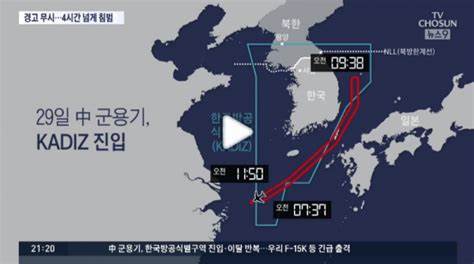
1. KADIZ의 정의와 목적
KADIZ는 한국 방공식별구역으로, 대한민국의 영공을 포함한 방공을 위한 공역을 정의한 구역입니다. 이 구역은 영공을 넘어서는 구역으로, 항공기나 미사일이 국가의 방공망에 침입했을 때 이를 식별하고, 필요한 경우 군사적 대응을 하는 데 중요한 역할을 합니다.
- 방공 목적: KADIZ는 국가 방공 식별을 위한 구역으로 설정되어 있으며, 이 지역에 진입하는 항공기나 미사일을 식별하고 추적합니다.
- 항공기 식별: KADIZ에 진입한 항공기는 대한민국 군에 의해 식별되며, 이는 국방 및 군사적 안보를 위한 중요한 조치입니다.
2. KADIZ의 설정과 역사
KADIZ는 1950년대 한국 전쟁 이후 대한민국의 방공 시스템을 강화하기 위해 설정되었습니다. 구체적으로는 1960년대 초부터 대한민국이 미국과 협력하여 KADIZ를 설정하고, 이를 통해 항공기와 미사일의 진입을 감지하고 대응할 수 있는 시스템을 구축하였습니다.
- 설정 이유: KADIZ는 항공기 식별과 방공을 위한 공중 감시 구역으로 설정되었습니다. 이 구역은 영공 방어와 공중 충돌 방지를 위해 필요합니다.
- 국제적으로 인정된 구역: KADIZ는 국제 민간 항공기를 대상으로 한 규제가 아니기 때문에, 공중 식별 및 군사적 대응을 위한 구역으로 해석되며, 대한민국 군의 통제 하에 운영됩니다.
3. KADIZ의 구성과 범위
KADIZ는 대한민국을 중심으로 설정되며, 해상과 영공을 포함한 국제적 구역으로 확장될 수 있습니다. KADIZ의 범위는 기본적으로 공식적으로 정의된 공중 식별 구역으로, 특정 고도나 영공에서 비행하는 항공기들을 식별하고 추적하는 역할을 합니다.
- 범위: KADIZ의 범위는 대한민국 영공을 포함한 해상, 조난 구역 등을 포함하는데, 한국의 서해와 동해를 포함한 공중 구역을 설정하여 항공기의 식별 및 대응이 가능하게 됩니다.
- 기본적인 항공기 접근 규칙: KADIZ에 진입하는 항공기는 한국 군의 요청에 따라 식별되어야 하며, 규정에 따라 군사적 대응이 이루어질 수 있습니다.
4. KADIZ와 주변 국가와의 갈등
KADIZ는 대한민국의 방공 식별 구역으로 설정되어 있지만, 중국과 북한은 이 구역에 대해 정치적, 군사적 이견을 제기하기도 합니다. 특히, 중국은 KADIZ 설정 이후, 중국의 항공기가 해당 구역에 진입하면서 KADIZ에 대한 불만을 표시한 경우도 있었습니다.
- 중국의 입장: 중국은 KADIZ 설정에 대해 자국의 방공 식별 구역을 설정할 권리를 주장하며, 일부 항공기의 KADIZ 진입에 대한 충돌을 피하기 위한 협의를 요구하는 입장을 보였습니다.
- 북한의 입장: 북한은 KADIZ를 인정하지 않고, 항공기의 비행에 대해 한국의 식별 요청을 무시하기도 했습니다. 북한은 KADIZ에 진입하는 것이 남북 관계와 맞지 않다고 주장하며, 이를 정치적 문제로 해석하기도 했습니다.
5. KADIZ의 국제적 규제와 통제
KADIZ는 대한민국 군이 통제하는 구역이기 때문에, 해당 구역 내의 항공기는 한국 군의 감시와 식별을 받습니다. 이로 인해 민간 항공기와 군용 항공기는 각기 다른 규정을 따릅니다.
- 민간 항공기: KADIZ는 방공 식별 구역으로, 민간 항공기에게 직접적인 제약을 두지는 않지만, 해당 구역을 비행할 때 항공기 식별과 군사적 대응 가능성을 감안하여 비행해야 합니다.
- 군용 항공기: 군용 항공기의 경우, KADIZ에 진입할 경우 한국 군의 식별 및 감시를 반드시 받아야 하며, 군사적 충돌을 피하기 위한 조치가 취해질 수 있습니다.
6. KADIZ의 전략적 중요성
KADIZ는 단순히 방공을 위한 구역에 그치지 않고, 한반도의 군사적 긴장을 관리하고, 군사적 방어를 위한 중요한 역할을 합니다. 특히, KADIZ 내 항공기의 식별과 군사적 대응을 통해 한반도의 안보를 강화하는 중요한 구역으로 운영됩니다.
- 북한의 군사적 위협: KADIZ는 북한의 항공기와 미사일의 진입을 감지하고 대응하는 데 중요한 역할을 하며, 북한의 군사적 도발을 미리 차단할 수 있는 기회를 제공합니다.
- 중국과의 군사적 충돌 방지: 중국의 군용 항공기나 상업적 항공기의 KADIZ 진입은 긴장 요소가 될 수 있지만, 이 구역 내에서의 식별은 군사적 충돌을 예방하는 중요한 절차로 작용합니다.
7. KADIZ와 향후 전망
KADIZ는 한반도의 안보 상황에 따라 변동이 있을 수 있으며, 미래에는 남북 관계 개선이나 국제 협력을 통해 KADIZ의 규모나 통제 방식에 변화가 있을 수도 있습니다. 또한, 국제적인 항공 규제와 협약에 따라 KADIZ에 대한 논의가 이루어질 가능성도 존재합니다.
결론
KADIZ는 대한민국의 방공식별구역으로, 군사적 식별과 대응을 위한 중요한 역할을 하고 있습니다. 이 구역은 한반도 안보의 핵심적 요소로, 북한과 중국 등 주변 국가들과의 군사적 긴장 완화를 위한 중요한 장치로 작용하고 있습니다. 향후 국제 협력과 안보 상황 변화에 따라 KADIZ는 계속해서 중요한 군사적, 외교적 요소로 작용할 것입니다.
KADIZ (Korean Air Defense Identification Zone) is an airspace identification zone established for the purpose of national air defense and military identification around South Korea, North Korea, and China. This zone is set up for military and air defense purposes, and aircraft flying within this zone are subject to monitoring and identification by the Korean military.
1. Definition and Purpose of KADIZ
KADIZ is the Korean Air Defense Identification Zone, which defines the airspace for the air defense of the Republic of Korea. This zone extends beyond national airspace, playing a crucial role in identifying aircraft or missiles entering the country's air defense network and, if necessary, providing a military response.
- Air Defense Purpose: KADIZ is established to identify and track aircraft or missiles entering this area for national air defense.
- Aircraft Identification: Aircraft entering KADIZ are identified by the Korean military, an important measure for national defense and military security.
2. Establishment and History of KADIZ
KADIZ was established to strengthen South Korea's air defense system after the Korean War in the 1950s. Specifically, from the early 1960s, South Korea collaborated with the United States to establish KADIZ and build a system to detect and respond to aircraft and missile entries.
- Reason for Establishment: KADIZ was set up as an air surveillance zone for aircraft identification and air defense. It is necessary for airspace defense and preventing aerial collisions.
- Internationally Recognized Zone: KADIZ is not a regulation zone for international civilian aircraft, but it is interpreted as a zone for air identification and military response, operated under the control of the Korean military.
3. Composition and Scope of KADIZ
KADIZ is centered around the Republic of Korea and may extend into international zones, including maritime and airspace areas. The scope of KADIZ is essentially an officially defined air identification zone, which identifies and tracks aircraft flying at certain altitudes or airspaces.
- Scope: The scope of KADIZ includes airspace over the Republic of Korea, maritime areas, and distress zones, enabling identification and response to aircraft over the West and East Seas of Korea.
- Basic Aircraft Access Rules: Aircraft entering KADIZ must be identified at the request of the Korean military, and military responses may be taken according to regulations.
4. Conflicts with Surrounding Countries over KADIZ
While KADIZ is set up as an air defense identification zone for South Korea, China, and North Korea have expressed political and military disagreements regarding this zone. Particularly, China has shown dissatisfaction when Chinese aircraft entered KADIZ.
- China's Position: China asserts its right to establish its own air defense identification zone and has called for consultations to avoid conflicts regarding certain aircraft entering KADIZ.
- North Korea's Position: North Korea does not recognize KADIZ and has ignored identification requests for flights, arguing that entering KADIZ conflicts with inter-Korean relations and interpreting it as a political issue.
5. International Regulation and Control of KADIZ
Since KADIZ is controlled by the Korean military, aircraft within this zone are subject to monitoring and identification by the Korean military. Civilian and military aircraft follow different regulations.
- Civilian Aircraft: KADIZ does not directly restrict civilian aircraft, but aircraft flying through this zone must consider the possibility of identification and military response.
- Military Aircraft: Military aircraft must be identified and monitored by the Korean military when entering KADIZ, and measures may be taken to avoid military conflicts.
6. Strategic Importance of KADIZ
KADIZ plays a crucial role not only as an air defense zone but also in managing military tensions and enhancing military defense on the Korean Peninsula. It strengthens security on the Korean Peninsula through identification and military responses to aircraft within KADIZ.
- North Korea's Military Threat: KADIZ plays a key role in detecting and responding to North Korean aircraft and missile entries, providing an opportunity to preemptively block North Korean military provocations.
- Preventing Military Conflicts with China: The entry of Chinese military or commercial aircraft