월성 1호기는 한국의 원자력 발전소 중 하나로, 경상북도 경주시에 위치하고 있으며, **한국수력원자력(한수원)**이 운영하는 원자력 발전소입니다. 월성 1호기는 1978년에 상업운전을 시작하여 2022년까지 운영되었습니다. 월성 1호기의 주요 특징과 역사, 그리고 그 동안의 논란 등을 살펴보겠습니다.
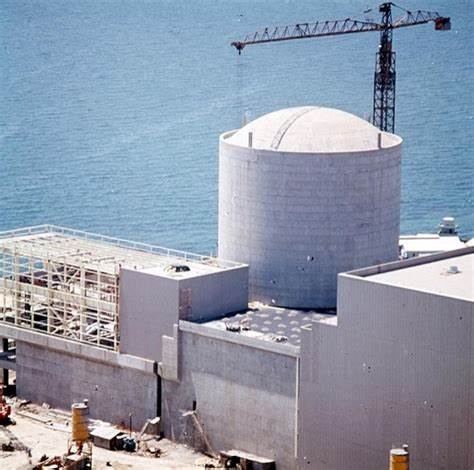
1. 월성 1호기의 개요
월성 1호기는 가압수형 경수로(PWR, Pressurized Water Reactor) 방식의 원자력 발전소로, 원자력 발전의 주요 목적은 전기 생산입니다. 이 발전소는 서브셋 방식(단일 발전소에서 한 개의 원자로만 운영)으로 운영되었으며, 주요 발전 용량은 약 700MW 정도였습니다.
2. 월성 1호기의 역사 및 주요 사건들
1) 건설 및 상업 운전 개시
월성 1호기는 1970년대 후반에 건설이 시작되어, 1978년 12월부터 상업운전을 시작했습니다. 월성 1호기는 한국의 첫 번째 원자력 발전소 중 하나로, 한국의 전력 수급 안정에 큰 역할을 했습니다.
2) 운영 기간
월성 1호기는 약 40여 년 동안 운영되었으며, 그 동안 전력 생산에 큰 기여를 했습니다. 특히 월성 1호기는 1970년대 후반부터 1980년대까지 한국의 경제 성장을 이끄는 데 중요한 역할을 했습니다. 월성 1호기의 발전소는 상업운전 이후 한국의 원자력 발전소 중에서 중요한 위치를 차지했습니다.
3) 핵심 발전 기술
월성 1호기는 가압수형 경수로(PWR)로, 이 기술은 원자로 내에서 핵분열 반응을 통해 발생한 열에 의해 증기를 만들고, 이 증기를 이용해 터빈을 돌려 전기를 생산하는 방식입니다. 원자로가 안정적으로 작동하도록 모든 시스템이 자동화되어 있으며, 핵심 안전 시스템이 철저히 구축되어 있습니다.
4) 폐쇄 논란 및 사용 연한 연장
월성 1호기의 운전 연한은 최대 40년입니다. 이에 따라 원자력 발전소의 운영 연한이 만료되면서 폐쇄 여부가 논란이 되었습니다. 월성 1호기의 운전 연한 연장 문제는 한국 정부와 여론, 전문가들 간의 격렬한 논란을 일으켰습니다.
2021년, 한국 정부는 월성 1호기의 조기 폐쇄를 결정했고, 그로 인해 2022년 6월 30일을 기해 월성 1호기는 운영 종료되었습니다.
3. 월성 1호기의 주요 논란과 문제점
1) 안전성 문제
월성 1호기는 40년 가까운 운영 기간 동안 몇 가지 안전성 문제와 관련된 논란이 있었습니다. 예를 들어, 원자로 안전성, 배수 시스템, 방사능 유출 문제 등에서 우려가 제기되었으며, 일부 전문가들은 시설 노후화에 따른 안전성 문제를 우려했습니다. 특히 체르노빌 사고와 같은 대형 사고에 대한 걱정이 커졌습니다.
2) 사용 연한 연장 논란
월성 1호기의 경우 운전 연장을 두고 논란이 있었습니다. 월성 1호기의 사용 연한을 연장하는 것이 가능하다고 주장하는 측과, 노후된 설비와 안전성 문제로 더 이상 연장이 불가능하다는 주장으로 나뉘었습니다. 원자력 안전위원회는 월성 1호기의 사용 연장이 안전성에 큰 문제를 일으킬 가능성이 있다고 지적하며, 연장 불가 결정을 내린 후 조기 폐쇄가 결정되었습니다.
3) 환경 문제
원자력 발전소의 운영은 방사능 물질의 안전한 처리 및 관리와 관련하여 환경 문제를 일으킬 수 있습니다. 월성 1호기에서 발생하는 폐기물 처리, 방사능 폐기물 관리 등이 문제로 지적되었습니다. 이와 관련된 환경오염 문제는 지속적인 논란을 일으켰습니다.
4. 월성 1호기의 폐쇄와 향후 계획
월성 1호기는 2022년에 운영을 종료하면서, 한국의 원자력 발전소 운영 역사에서 중요한 이정표가 되었습니다. 한국 정부는 월성 1호기의 조기 폐쇄 결정을 내렸으며, 이는 탈원전 정책과 관련이 있습니다.
1) 탈원전 정책
한국 정부는 탈원전을 선언하며, 원자력 발전을 점차적으로 줄여나가겠다는 정책을 추진했습니다. 월성 1호기의 폐쇄는 이 정책의 일환으로 이루어졌으며, 이는 재생 가능 에너지의 비중을 늘리고, 온실가스 배출을 줄이기 위한 노력의 일환으로 추진되었습니다.
2) 대체 에너지로의 전환
월성 1호기의 폐쇄와 함께 한국은 재생 가능 에너지, 에너지 효율성 등을 통한 전력 생산 방안을 모색하고 있습니다. 특히 태양광, 풍력 등 청정 에너지를 중심으로 한 전환이 이루어지고 있으며, 이를 통해 에너지 공급의 다양성을 높이는 방향으로 나아가고 있습니다.
5. 월성 1호기 폐쇄 이후의 후속 조치
월성 1호기 폐쇄 후에는 원자로의 해체와 관련된 작업이 필요하며, 이에 대한 법적 규제, 안전한 해체 방법 등이 철저히 검토되고 있습니다. 월성 1호기의 해체 작업은 안전성을 최우선으로 진행되어야 하며, 환경 보호와 폐기물 처리와 같은 문제들도 신중히 다뤄져야 합니다.
결론
월성 1호기는 한국의 원자력 발전 역사에서 중요한 위치를 차지했던 발전소입니다. 40년 이상 운영된 이 발전소는 한국의 전력 공급에 큰 기여를 했지만, 안전성 문제, 사용 연한 연장 논란, 환경적 우려 등으로 논란이 일었습니다. 결국 월성 1호기는 2022년에 폐쇄되었으며, 이는 탈원전 정책의 일환으로 이루어진 결정이었습니다. 향후 대체 에너지로의 전환이 본격적으로 이루어지면서, 월성 1호기의 역할은 에너지 정책의 변화와 함께 마무리되었습니다.
Wolseong Unit 1 is one of South Korea's nuclear power plants, located in Gyeongju, Gyeongsangbuk-do, and operated by Korea Hydro & Nuclear Power (KHNP). Wolseong Unit 1 began commercial operation in 1978 and operated until 2022. Let's take a look at the key features, history, and controversies of Wolseong Unit 1.
- Overview of Wolseong Unit 1 Wolseong Unit 1 is a nuclear power plant using a Pressurized Water Reactor (PWR) system, with the primary purpose of generating electricity. It operated using a single reactor at a single power plant (subset method) and had a main power output capacity of approximately 700MW.
- History and Key Events of Wolseong Unit 1
- Construction and Commercial Operation Start Construction of Wolseong Unit 1 began in the late 1970s, and commercial operation started in December 1978. It was one of South Korea's first nuclear power plants and played a significant role in stabilizing the country's power supply.
- Operational Period Wolseong Unit 1 operated for about 40 years, contributing significantly to electricity production during its operational period. Especially in the late 1970s and 1980s, Wolseong Unit 1 played a crucial role in driving South Korea's economic growth. The power plant held an important position among South Korea's nuclear power plants after its commercial operation began.
- Key Generation Technology Wolseong Unit 1 used Pressurized Water Reactor (PWR) technology, which generates steam through nuclear fission reactions within the reactor. This steam drives turbines to produce electricity. All systems were automated for stable reactor operation, and core safety systems were thoroughly established.
- Controversies Over Closure and Extension of Service Life Wolseong Unit 1 had a maximum operational lifespan of 40 years. As its service life was nearing expiration, the debate over its closure arose. The issue of extending Wolseong Unit 1's service life led to intense discussions among the South Korean government, public opinion, and experts.
In 2021, the South Korean government decided to early shut down Wolseong Unit 1, leading to the termination of its operation on June 30, 2022.
- Major Controversies and Issues of Wolseong Unit 1
- Safety Concerns During its nearly 40-year operational period, Wolseong Unit 1 faced several safety concerns and controversies. Issues such as reactor safety, drainage systems, and radiation leakage raised concerns, and some experts worried about safety problems due to the aging facility. There were significant concerns about potential major accidents like the Chernobyl disaster.
- Controversies Over Extension of Service Life There was debate over extending Wolseong Unit 1's operational life. Some argued that extension was possible, while others claimed that it was no longer feasible due to aged facilities and safety issues. The Nuclear Safety and Security Commission pointed out the possibility of significant safety problems with extending the service life of Wolseong Unit 1 and decided against the extension, leading to early closure.
- Environmental Issues The operation of nuclear power plants can cause environmental problems related to the safe treatment and management of radioactive materials. Issues such as waste treatment and management of radioactive waste from Wolseong Unit 1 were pointed out. Related environmental pollution problems continued to be a subject of controversy.
- Closure of Wolseong Unit 1 and Future Plans Wolseong Unit 1 ceased operation in 2022, marking an important milestone in South Korea's nuclear power plant operation history. The South Korean government decided on the early closure of Wolseong Unit 1 as part of its policy to phase out nuclear energy.
- Nuclear Phase-out Policy The South Korean government declared a nuclear phase-out policy, gradually reducing the use of nuclear power. The closure of Wolseong Unit 1 was part of this policy, aimed at increasing the share of renewable energy and reducing greenhouse gas emissions.
- Transition to Alternative Energy With the closure of Wolseong Unit 1, South Korea is seeking power generation solutions through renewable energy and energy efficiency. The transition focuses on clean energy sources such as solar and wind power, moving towards a more diversified energy supply.
- Follow-up Measures After the Closure of Wolseong Unit 1 Following the closure of Wolseong Unit 1, decommissioning the reactor requires careful consideration of legal regulations and safe dismantling methods. The decommissioning process must prioritize safety, with careful handling of environmental protection and waste disposal issues.
Conclusion Wolseong Unit 1 held a significant position in the history of South Korea's nuclear power generation. It contributed greatly to the country's power supply for over 40 years but faced controversies over safety, extension of service life, and environmental concerns. Eventually, Wolseong Unit 1 was shut down in 2022 as part of the nuclear phase-out policy. With the full-scale transition to alternative energy, the role of Wolseong Unit 1 concluded with changes in energy policy.
Chinese
月城1号机组是韩国的一座核电站,位于庆尚北道庆州市,由韩国水电与核电公司(KHNP)运营。月城1号机组于1978年开始商业运营,并持续运行至2022年。让我们看看月城1号机组的主要特点、历史以及争议。
- 月城1号机组概述 月城1号机组是一座采用压水堆(PWR)系统的核电站,主要用于发电。该电站采用单座电厂单个反应堆的运行方式,主要发电容量约为700MW。
- 月城1号机组的历史和重大事件
- 建设及商业运营开始 月城1号机组于1970年代后期开始建设,1978年12月开始商业运营。它是韩国最早的核电站之一,在稳定国家电力供应方面发挥了重要作用。
- 运营期间 月城1号机组运营了约40年,在运营期间对电力生产做出了重大贡献。特别是在1970年代后期和1980年代,月城1号机组在推动韩国经济增长方面发挥了关键作用。商业运营开始后,该电站在韩国核电站中占据了重要地位。
- 关键发电技术 月城1号机组采用压水堆(PWR)技术,通过反应堆内的核裂变反应产生蒸汽,驱动涡轮发电。所有系统自动化,以确保反应堆稳定运行,并建立了核心安全系统。
- 关闭争议及使用寿命延长 月城1号机组的最大运行寿命为40年。随着其使用寿命即将到期,关于关闭的争论开始。延长月城1号机组使用寿命的问题引发了韩国政府、公众舆论和专家之间的激烈讨论。
2021年,韩国政府决定提前关闭月城1号机组,并在2022年6月30日终止运营。
- 月城1号机组的主要争议和问题
- 安全问题 在近40年的运营期间,月城1号机组面临几次安全问题和争议。反应堆安全性、排水系统、放射性泄漏等问题引发担忧,一些专家担心设施老化带来的安全问题。人们对切尔诺贝利事故等重大事故的担忧尤为显著。
- 使用寿命延长争议 关于延长月城1号机组的使用寿命存在争议。一些人认为可以延长,另一些人则认为由于设施老化和安全问题不再可行。核安全委员会指出,延长月城1号机组的使用寿命可能会带来重大的安全问题,并决定不延长,导致提前关闭。
- 环境问题 核电站的运营会引发与放射性物质安全处理和管理相关的环境问题。月城1号机组的废物处理、放射性废物管理等问题被指出。相关的环境污染问题持续引发争议。
- 月城1号机组关闭及未来计划 月城1号机组于2022年停止运营,标志着韩国核电站运营历史上的一个重要里程碑。韩国政府决定提前关闭月城1号机组,作为逐步退出核能政策的一部分。
- 逐步退出核能政策 韩国政府宣布逐步退出核能政策,逐步减少核能使用。月城1号机组的关闭是这一政策的一部分,旨在增加可再生能源的比例,减少温室气体排放。
- 向替代能源转型 随着月城1号机组的关闭,韩国正在寻求通过可再生能源和能效提高进行发电。转型重点是太阳能和风能等清洁能源,朝着更加多样化的能源供应方向迈进。
- 月城1号机组关闭后的后续措施 月城1号机组关闭后,需要对反应堆进行拆除,须仔细考虑法律法规和安全拆除方法。拆除过程必须以安全为优先,环境保护和废物处理等问题需谨慎处理。
结论