**옐로 저널리즘(Yellow Journalism)**은 과장된 보도, 선동적 기사, 과도한 감정적 요소와 같은 방법을 사용하여 사람들의 흥미를 끌고, 선동하려는 형태의 저널리즘을 말합니다. 이 용어는 19세기 후반 미국에서 윌리엄 랜돌프 허스트(William Randolph Hearst)와 조셉 풀리처(Joseph Pulitzer)와 같은 신문 출판인이 경쟁을 벌이던 시기에 등장했습니다. 그 당시 신문들은 독자들의 관심을 끌기 위해 사실을 과장하거나 왜곡하는 방식으로 뉴스 기사를 작성했습니다.
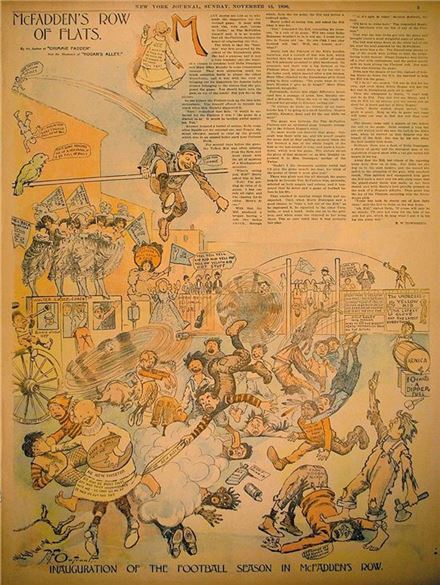
옐로 저널리즘의 주요 특징
- 과장된 헤드라인과 내용
- 자극적이고 과장된 헤드라인을 사용하여 독자의 관심을 끌고, 사건을 과장하여 흥미를 유발합니다. 예를 들어, 사실을 왜곡하거나 극단적인 언어를 사용해 독자들이 강하게 반응하도록 만듭니다.
- 감정적인 언어 사용
- 감정적이고 선동적인 언어를 사용하여 독자들을 감정적으로 자극합니다. 사건이나 이슈를 다룰 때 두려움, 분노, 흥분 등을 불러일으키는 표현을 자주 사용합니다.
- 왜곡된 사실이나 허위 정보
- 사실을 왜곡하거나 과장해서 사건의 본질을 비틀어 전달하거나, 때로는 허위 정보나 근거 없는 소문을 유포하는 경우도 있습니다. 이는 독자의 흥미를 끌기 위한 전략으로 사용되며, 진실성과 객관성을 희생하기도 합니다.
- 비공식적이고 선정적인 주제
- 사생활 침해나 성적인 요소, 스캔들 등을 다루며 대중의 관심을 끌기 위해 선정적인 내용에 집중하는 경우가 많습니다. 이는 종종 사적인 사건이나 범죄와 관련된 기사를 포함합니다.
- 과도한 사진과 일러스트
- 과도한 사진이나 일러스트레이션을 활용하여 시각적으로 자극적인 요소를 더하고, 독자의 관심을 끌기 위한 방법으로 사용됩니다.
역사적 배경
- 윌리엄 랜돌프 허스트와 조셉 풀리처는 19세기 후반과 20세기 초반에 미국에서 신문을 운영하면서 옐로 저널리즘의 대명사가 되었습니다. 그들은 독자들의 관심을 끌기 위해 자극적인 기사를 사용하고, 특히 스캔들과 폭력적 사건들에 초점을 맞춘 기사를 대거 실었습니다. 이로 인해 두 사람의 신문은 매우 인기를 끌었고, 그들의 경쟁은 더 자극적이고 왜곡된 보도를 유도하게 되었습니다.
- 스페인-미국 전쟁(1898) 때, 허스트와 풀리처는 신문을 통해 전쟁을 선동하는 데 중요한 역할을 했습니다. 이들은 스페인 전쟁에 대해 과장된 보도를 하여 대중의 전쟁에 대한 지원을 얻었고, 결국 미국의 전쟁 참여를 이끌어냈습니다.
옐로 저널리즘의 부정적인 영향
- 대중의 신뢰도 감소
- 사실을 왜곡하거나 과장된 기사를 통해 대중의 관심을 끌기 위해 노력하는 과정에서, 독자들의 언론에 대한 신뢰가 떨어지게 됩니다. 이는 허위 정보나 잘못된 사실을 전파할 위험성을 내포하고 있습니다.
- 사실과 의견의 혼동
- 옐로 저널리즘은 사실과 의견을 구분하지 않고 보도하여, 독자들이 왜곡된 현실을 받아들이게 만들 수 있습니다. 이는 공공의 인식을 왜곡시키고 사회적 혼란을 초래할 수 있습니다.
- 민감한 주제에 대한 피해
- 스캔들이나 사생활 침해와 같은 민감한 주제를 지나치게 강조함으로써, 당사자들에게 심각한 정신적 피해를 줄 수 있습니다. 또한, 공정한 보도를 기대하는 사회적 요구를 저버릴 수 있습니다.
- 언론의 윤리적 문제
- 윤리적 기준을 무시하고 감정적인 반응을 유도하는 기사를 작성하는 것이 저널리즘의 윤리와 충돌하는 경우가 많습니다. 이로 인해 언론의 신뢰성과 공정성이 훼손될 수 있습니다.
현대에서의 옐로 저널리즘
- 디지털 미디어와 소셜 미디어의 등장으로 옐로 저널리즘은 더 확산되었습니다. 가짜 뉴스나 허위 정보는 빠르게 퍼지며, 사실을 과장하거나 왜곡한 정보들이 소셜 미디어에서 급속히 확산됩니다. 이는 전통적인 저널리즘의 신뢰성을 위협하며, 정보의 정확성에 대한 문제를 더욱 심화시키고 있습니다.
결론
옐로 저널리즘은 대중의 관심을 끌기 위한 과장되고 선동적인 방식으로, 사실을 왜곡하거나 감정적 요소를 강조하는 저널리즘의 형태입니다. 이는 대중의 신뢰를 잃게 만들고, 정보의 왜곡을 초래할 수 있기 때문에 언론의 윤리와 정확성을 중시하는 현대 저널리즘에서는 큰 비판을 받고 있습니다.
Yellow Journalism refers to a type of journalism that uses sensationalism, exaggerated reporting, and overly emotional elements to attract people's interest and provoke reactions. The term originated in the late 19th century United States during the period when newspaper publishers like William Randolph Hearst and Joseph Pulitzer were competing. At that time, newspapers wrote news articles by exaggerating or distorting facts to capture readers' attention.
Key Features of Yellow Journalism
- Exaggerated Headlines and Content
- Sensational and exaggerated headlines are used to capture readers' attention and arouse interest by exaggerating events. For example, they distort facts or use extreme language to provoke strong reactions from readers.
- Emotional Language Usage
- Emotional and provocative language is used to emotionally stimulate readers. When dealing with incidents or issues, expressions that evoke fear, anger, and excitement are frequently used.
- Distorted Facts or False Information
- Facts are distorted or exaggerated to twist the essence of an event or, at times, false information or baseless rumors are spread. This strategy is used to capture readers' interest, often at the expense of truth and objectivity.
- Informal and Sensational Topics
- Privacy invasions, sexual elements, and scandals are often the focus, with an emphasis on sensational content to attract public attention. This often includes articles related to personal incidents or crimes.
- Excessive Use of Photos and Illustrations
- Excessive photos or illustrations are utilized to add visually stimulating elements and are used as a method to capture readers' attention.
Historical Background
- William Randolph Hearst and Joseph Pulitzer became synonymous with yellow journalism while running newspapers in the late 19th and early 20th centuries in the United States. To attract readers' interest, they used sensational articles, particularly focusing on scandals and violent incidents. This made their newspapers very popular, and their competition led to more sensational and distorted reporting.
- During the Spanish-American War (1898), Hearst and Pulitzer played a significant role in inciting war through their newspapers. They used exaggerated reporting on the Spanish War to gain public support for the war, ultimately leading to U.S. involvement in the war.
Negative Impacts of Yellow Journalism
- Decreased Public Trust
- The process of attracting public interest through distorted or exaggerated articles can lead to a decline in public trust in the media. It also entails the risk of spreading false information or incorrect facts.
- Confusion Between Facts and Opinions
- Yellow journalism fails to distinguish between facts and opinions, leading readers to accept a distorted reality. This can mislead public perception and create social confusion.
- Harm to Sensitive Subjects
- By excessively emphasizing sensitive topics like scandals or invasions of privacy, yellow journalism can cause serious mental harm to the individuals involved. It can also betray the societal demand for fair reporting.
- Ethical Issues in Journalism
- Writing articles that ignore ethical standards and provoke emotional reactions often conflicts with journalistic ethics. This can undermine the credibility and fairness of the press.
Yellow Journalism in Modern Times
- With the advent of digital media and social media, yellow journalism has become more widespread. Fake news or false information spreads rapidly, and information that exaggerates or distorts facts spreads quickly on social media. This threatens the reliability of traditional journalism and exacerbates issues of information accuracy.
Conclusion
Yellow journalism is a form of journalism that relies on exaggerated and provocative methods to attract public interest by distorting facts or emphasizing emotional elements. It has been widely criticized in modern journalism, which values ethics and accuracy in media due to its tendency to lose public trust and cause information distortion.
中文翻译
黄色新闻指的是一种通过使用夸张报道、煽动性文章和过度情感元素来吸引人们兴趣和煽动反应的新闻形式。这个术语起源于19世纪后期的美国,在那时,报纸出版商如威廉·伦道夫·赫斯特(William Randolph Hearst)和约瑟夫·普利策(Joseph Pulitzer)之间进行竞争。在当时,报纸通过夸大或扭曲事实的方式撰写新闻文章,以吸引读者的注意。
黄色新闻的主要特征
- 夸张的标题和内容
- 使用耸人听闻和夸张的标题来吸引读者的注意,并通过夸大事件来引起兴趣。例如,歪曲事实或使用极端的语言来激发读者的强烈反应。
- 情感化的语言使用
- 使用情感和煽动性语言来情感上刺激读者。在处理事件或问题时,经常使用唤起恐惧、愤怒和兴奋的表达。
- 扭曲的事实或虚假信息
- 扭曲或夸大事实,以扭曲事件的本质,有时甚至传播虚假信息或毫无根据的谣言。这种策略用于吸引读者的兴趣,往往以牺牲真相和客观性为代价。
- 非正式和耸人听闻的主题
- 隐私侵犯、性元素和丑闻往往成为焦点,注重耸人听闻的内容以吸引公众注意。这通常包括与个人事件或犯罪相关的文章。
- 过度使用照片和插图
- 利用过多的照片或插图来添加视觉刺激元素,并作为吸引读者注意的方法。
历史背景
- 威廉·伦道夫·赫斯特和约瑟夫·普利策在19世纪后期和20世纪初在美国运营报纸时成为黄色新闻的代名词。他们使用耸人听闻的文章,特别是专注于丑闻和暴力事件,以吸引读者的兴趣。这使他们的报纸非常受欢迎,他们之间的竞争导致了更加耸人听闻和扭曲的报道。
- 在西班牙-美国战争(1898)期间,赫斯特和普利策通过报纸在煽动战争方面发挥了重要作用。他们利用关于西班牙战争的夸大报道来获得公众对战争的支持,最终导致了美国参与战争。
黄色新闻的负面影响
- 公众信任度下降
- 吸引公众兴趣的过程中,通过扭曲或夸张的文章可以导致公众对媒体的信任度下降。这也暗含传播虚假信息或不正确事实的风险。
- 事实和意见混淆
- 黄色新闻未能区分事实和意见,导致读者接受扭曲的现实。这可能误导公众认知并引发社会混乱。
- 对敏感话题的伤害
- 通过过度强调丑闻或隐私侵犯等敏感话题,黄色新闻可能对相关人员造成严重的精神伤害。这也可能违背社会对公平报道的要求。
- 新闻伦理问题
- 撰写忽视伦理标准并激发情感反应的文章经常与新闻伦理相冲突。这可能会破坏新闻的可信性和公正性。
现代的黄色新闻
- 随着数字媒体和社交媒体的出现,黄色新闻变得更加普遍。假新闻或**